ORVIA Lens™
An independent, intelligence-informed review of any care service.
For commissioners, oversight bodies, and safeguarding leads who need to know the truth.
Nobody defines good practice clearly enough
Most safeguarding and governance frameworks tell you what should not happen. They describe failures, breaches, warning signs, red flags. But they rarely describe what good actually looks like — in observable, human terms that a staff member, manager, family member or board could recognise on an ordinary Tuesday afternoon.
That is the gap ORVIA fills.
Good practice is not the absence of bad practice. It is specific, observable, human behaviour that creates safety, dignity and accountability — and it looks different in a care home than it does in a mental health hospital, in a domiciliary care team, or in a boardroom.
ORVIA’s approach is simple: if you cannot describe what good looks like, you cannot build it, sustain it, or know when you have lost it.
What we look for
These are not aspirations or policies. These are observable markers — things you can see, hear, and verify in a real service on a real day.
Staff who challenge upwards
In a good service, staff feel safe raising concerns to their managers — and those concerns lead to visible change. If staff only report downwards or not at all, something is wrong.
Incident reports that lead to change
Good practice means an incident report does not sit in a file. Within 30 days there is a visible change — a rota adjustment, a training session, a process update. Something moved.

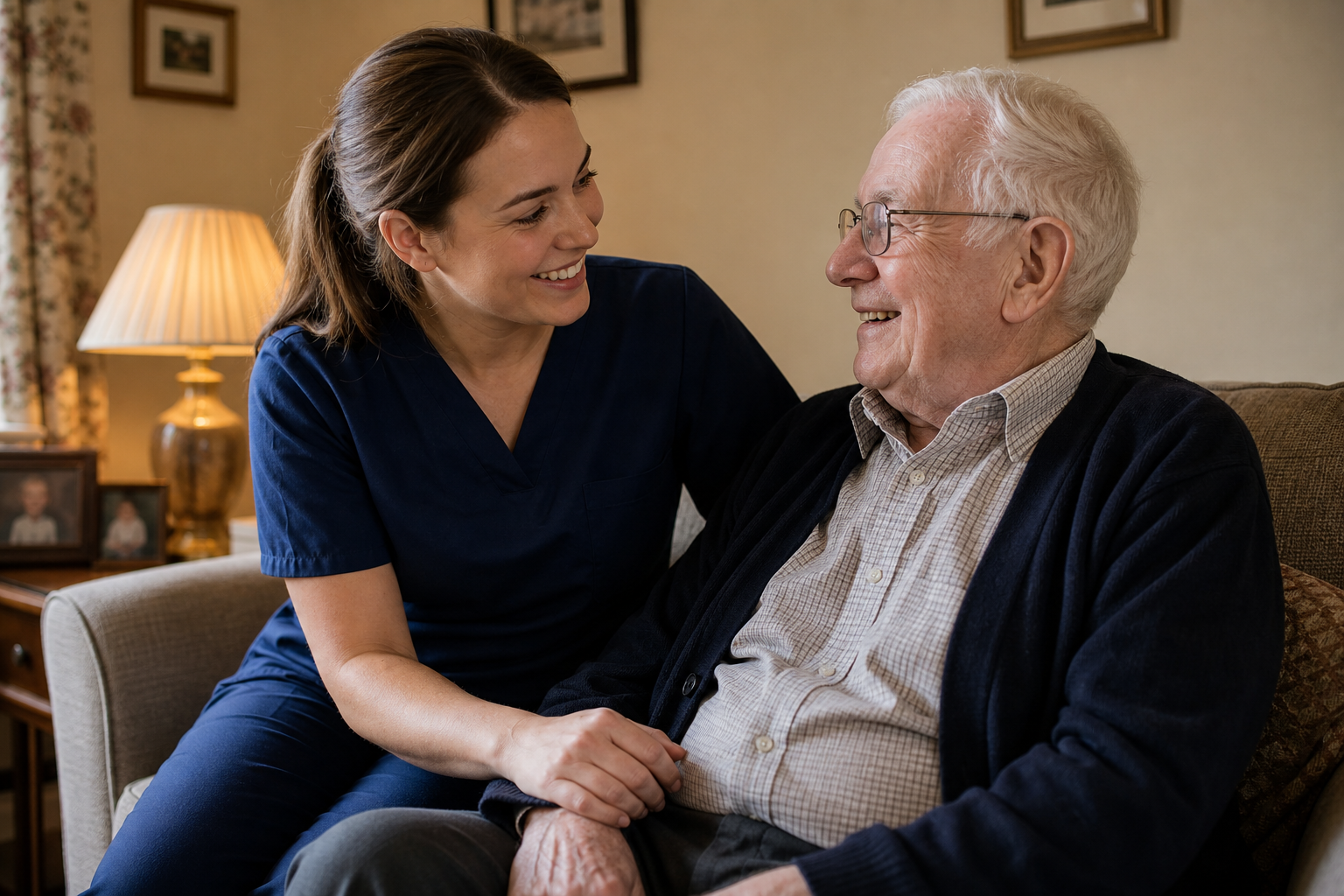
Staff who feel safe to challenge are the first line of defence.

When incidents drive real change, not just paperwork.
Families who know the safeguarding lead
Not just their name on a poster. Families know who to speak to, they have spoken to them, and they feel heard. If families do not know the safeguarding lead, the system is not working.
Supervision that reflects, not ticks
Good supervision records show reflective learning — “What would I do differently?” — not just performance checkboxes. If every supervision looks the same, it is not supervision.
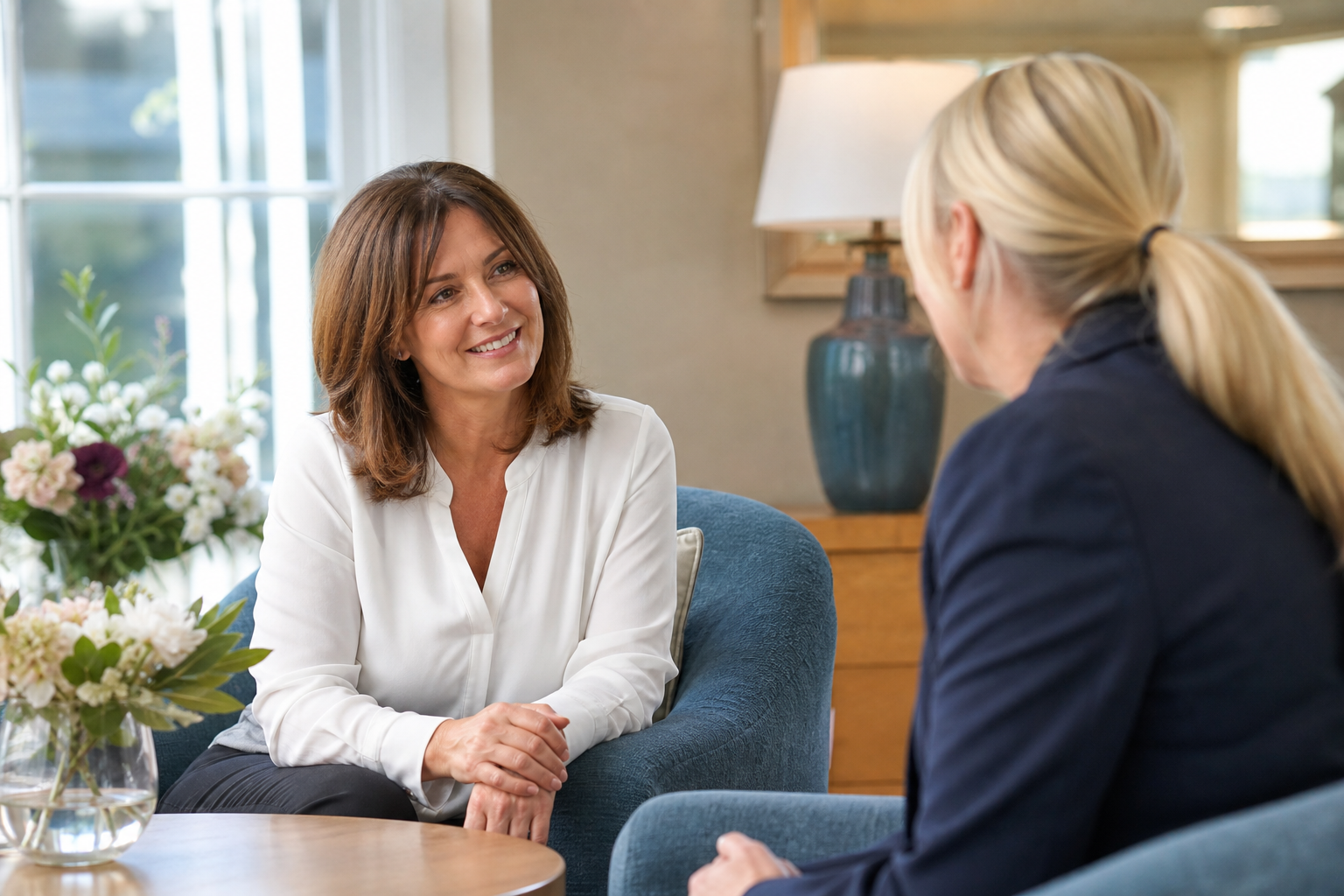
Families who know the safeguarding lead feel safer — and so do the people they love.

Real supervision changes practice. Tick-box supervision changes nothing.
Leaders who are present, not just available
Registered Managers who walk the floor, see the care, hear the conversations. Not sat in an office saying “my door is always open.” Physical presence is a governance tool.
People who are asked, not just assessed
Good practice means the people receiving care are asked what they think — and their answers change what happens. Satisfaction surveys that gather dust are not good practice.
Rotas that match reality
The planned rota and the actual rota should be close. When they consistently diverge — unfilled shifts, late swaps, agency reliance — the service is under pressure whether it admits it or not.
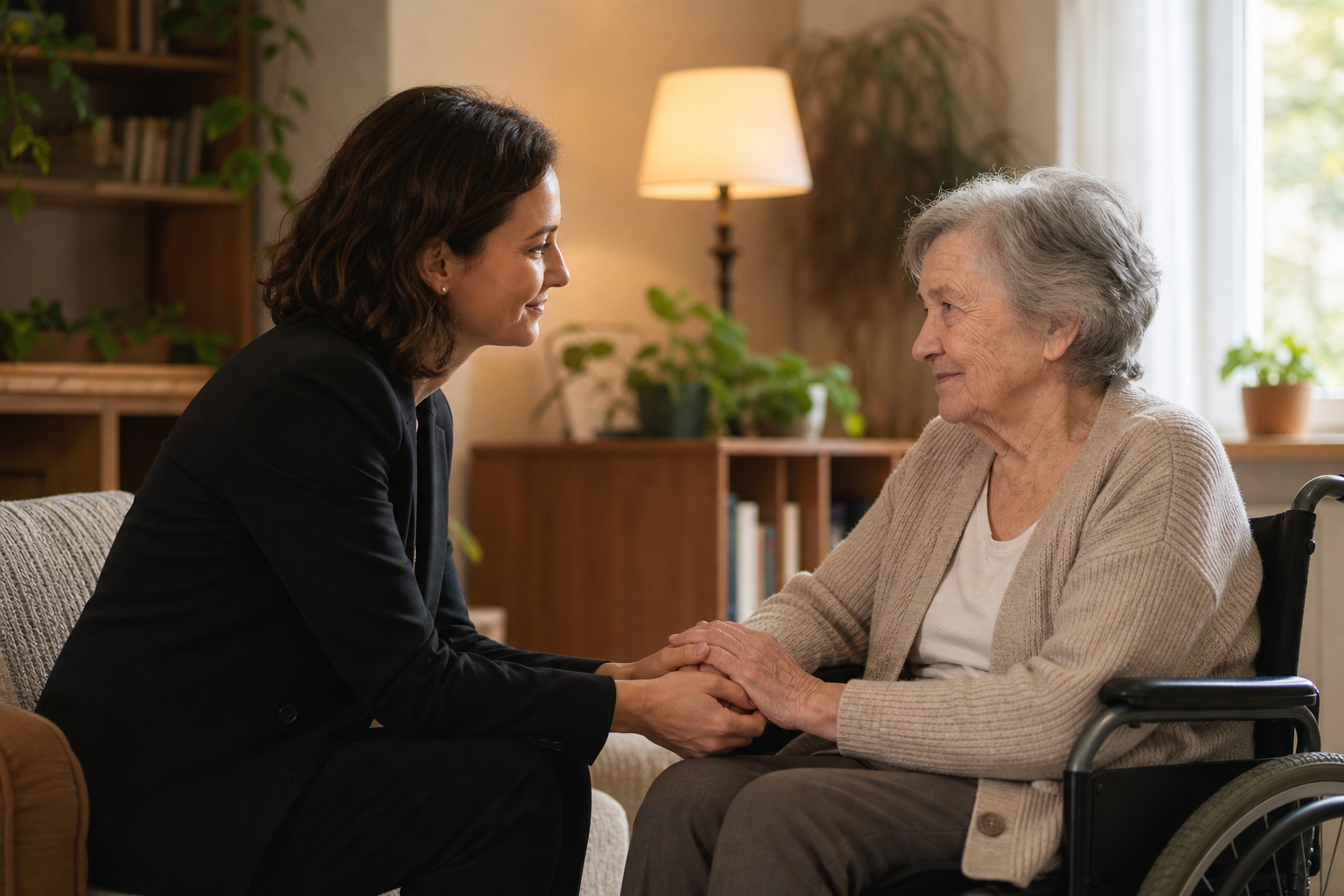
The person’s voice should be the loudest in any review.
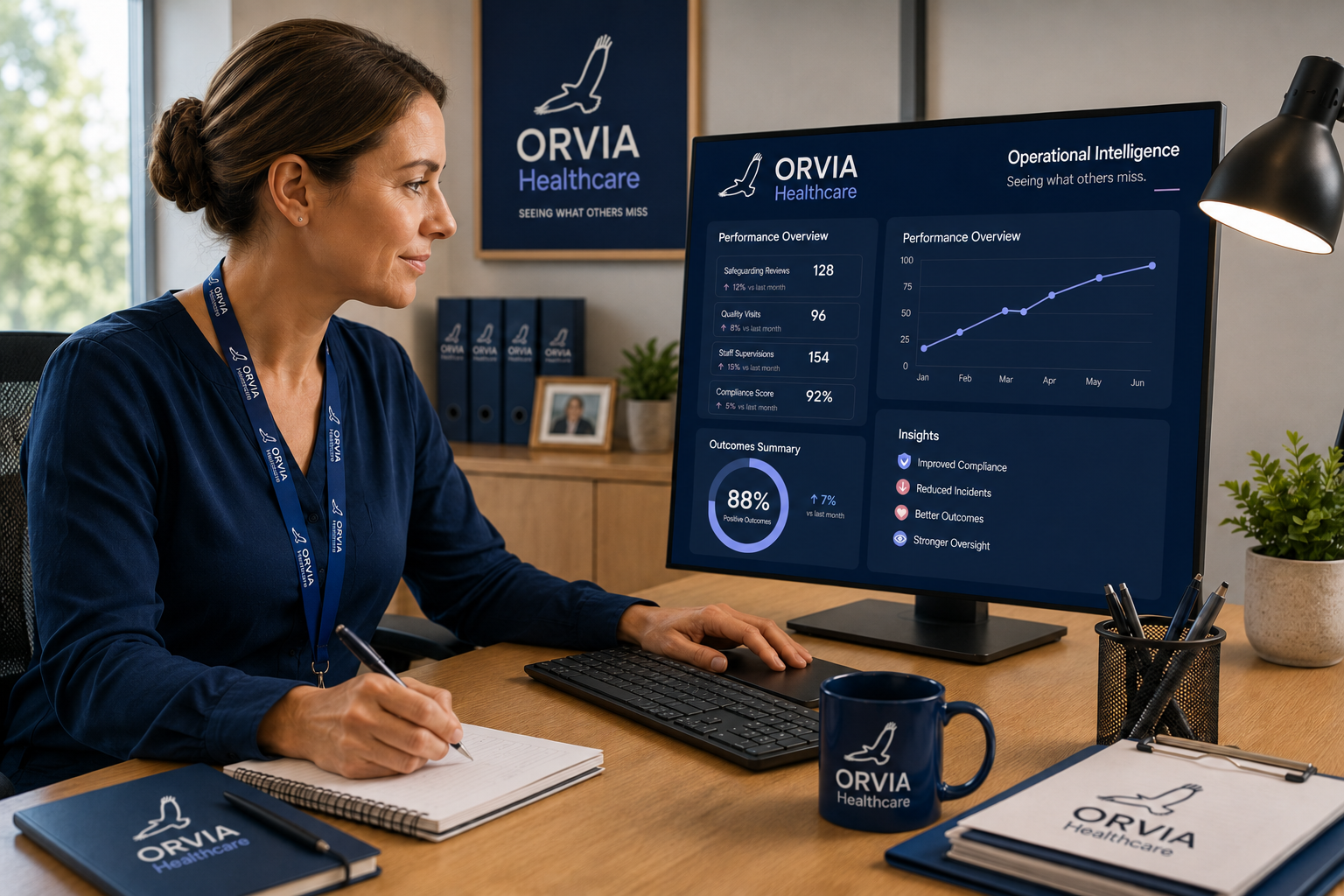
When what’s planned matches what actually happens.
Complaints that are welcomed
A service with zero complaints is not a good service. It is a service where people do not feel safe complaining. Good practice means complaints are received, responded to, and learned from.
Culture you can feel when you walk in
You know it when you see it. Staff greet visitors naturally. People receiving care look comfortable. The environment is calm. Interactions are warm, unhurried, and genuine. That is not luck — it is leadership.
“If you cannot describe what good looks like, you cannot build it, sustain it, or know when you have lost it.”
— ORVIA Healthcare

Good culture isn’t in a policy document — it’s in the first 30 seconds.
Good looks different in every setting
A domiciliary care team demonstrating good practice looks different from a secure mental health unit demonstrating good practice. The principles are the same — human dignity, accountability, visibility, reflective learning — but the markers are specific to the setting.
ORVIA defines good practice markers for every setting we work with:
- Domiciliary Care — visit patterns, lone worker safety, medication oversight
- Care Homes — mealtime observation, night audit, activity engagement
- Residential Homes — personalised care planning, community access, staff stability
- Dementia Units — environment design, communication approach, family involvement
- Mental Health Hospitals — restrictive practice reduction, therapeutic environment, patient voice
- Learning Disability & Autism Services — positive behaviour support, choice and control, community presence
- Supported Living — independence promotion, tenancy rights, person-centred reviews
- Secure Units — therapeutic culture, least restrictive practice, patient pathway clarity
- Complex Care — multi-disciplinary coordination, advance care planning, family partnership
How we use this
Every ORVIA review — whether a safeguarding review, operational oversight review, or governance review — asks two questions:
- What is actually happening? — not what the policy says, not what the audit trail shows, but what is genuinely happening for the people in the service.
- What does good look like here? — specific, observable markers for this setting, this service, this context.
The gap between those two answers is where ORVIA works. We do not punish the gap. We illuminate it, and we help organisations close it.
This is also what we teach. The ORVIA Academy trains practitioners to see good practice, describe it, build it, and sustain it — not just spot failures.
Explore further
See how ORVIA defines, builds and recognises good practice across the sector.
ORVIA ACADEMY
Want to strengthen practice in this area?
Our training is grounded in real-world practice — not theory. ORVIA Academy courses are designed for people who want to notice more, respond better, and build cultures where good practice is the norm.
⚠️ Important: ORVIA can support, review and advise where there are concerns about care, safety, culture or accountability. We are not an emergency service, the police, CQC, a local authority safeguarding team, the NHS or a legal representative. If someone is at immediate risk of harm, please contact emergency services or the relevant safeguarding authority.
⚠️ This page has been automatically translated. For safeguarding concerns, please contact us directly and we will arrange interpretation support.