ORVIA Lens™
“Know the truth of your service before someone else finds it for you.”
Independent. Intelligence-informed. Evidence-led.
Domiciliary Care
Specialist oversight for domiciliary care settings.
ORVIA supports domiciliary care providers by helping leaders, families and commissioners understand the difference between what is written down and what is actually happening inside people’s homes.
Home-based care is often invisible. Staff work alone, visits are short, and oversight depends on what is recorded rather than what is observed. Safeguarding drift can develop slowly — and families may not recognise the signs until harm has already occurred.
Key Risks ORVIA Helps Identify
Missed visits or shortened calls with no escalation
Safeguarding concerns masked by documentation compliance
Lone working without meaningful supervision or reflection
Medication errors going unreported or unchallenged
Loss of dignity through rushed or impersonal care routines
Family concerns dismissed or not escalated appropriately
Learning from Real-World Evidence

Published safeguarding reviews and CQC thematic work have repeatedly shown that harm in home-based care settings can develop slowly and remain invisible for long periods. Where staff work alone, visits are brief and oversight depends on recorded information rather than direct observation, concerns can be missed — particularly when families sense something is wrong but are unsure how to escalate.
Source: CQC state of care reports and safeguarding adult reviews
What this teaches:
Missed visits, shortened calls and medication errors may go unreported where oversight is limited to documentation
Families often identify concerns before professionals — but may lack a clear route to raise them
Lone working without reflective supervision can allow poor practice to become normalised over time
ORVIA’s role in domiciliary care is to bring visibility to what happens behind closed doors — not through surveillance, but through calm, proportionate reflective review that helps leaders and families understand the real quality of care being delivered.
Public-domain references
• CQC: The state of health care and adult social care in England (annual reports)
• Local Safeguarding Adults Board reviews — published learning from home care settings
• NICE Guideline NG21: Home care — delivering personal care and practical support
How ORVIA Supports This Setting
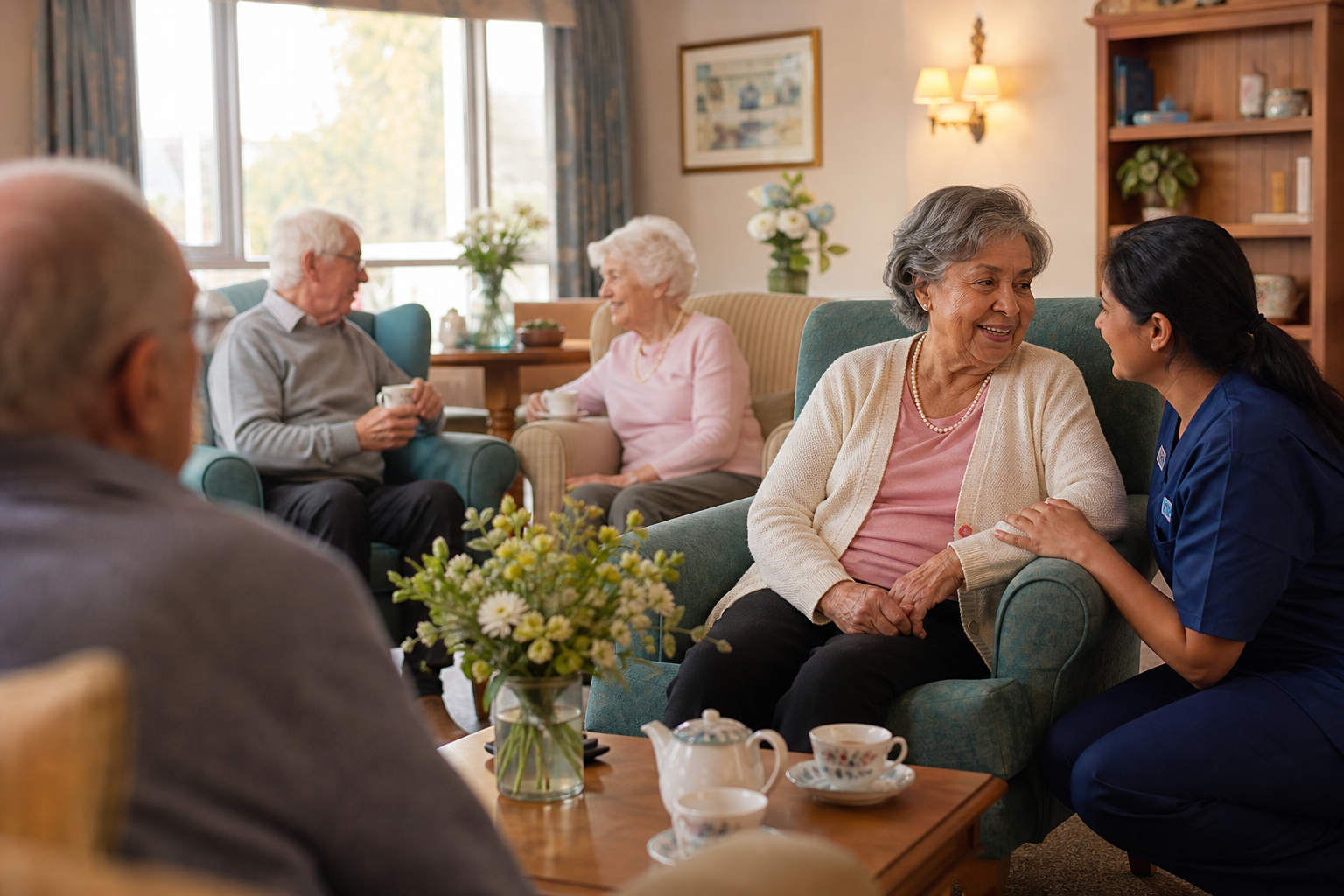
ORVIA provides calm, proportionate reflective review of domiciliary care operations — looking at real practice, not just paperwork. We observe, reflect and provide honest operational insight that helps leaders see what may otherwise be missed in community-based settings.
Our role is not to criticise good services. It is to help organisations see what may otherwise be missed, strengthen accountability and improve the human reality of care.
Our Approach in This Setting
Observation
Looking at what is actually happening — not what systems say should be happening.
Reflection
Helping leaders and teams reflect on practice with honesty and without blame.
Visibility
Making the invisible visible — surfacing risks others may not see.
Insight
Providing structured, evidence-led intelligence that supports better decisions.
Accountability
Strengthening governance without blame — Accountability Without Fear™.
Seeing What Others Miss™
The ORVIA principle — looking where others don’t, asking what others won’t.
If you want to understand what is really happening in your service — or if you have concerns that are not being addressed — ORVIA can help.
SECTOR BROCHURE
📄 Domiciliary Care Download Brochure (PDF)
Request this brochure →
ORVIA ACADEMY
Want to strengthen practice in this area?
Our training is grounded in real-world practice — not theory. ORVIA Academy courses are designed for people who want to notice more, respond better, and build cultures where good practice is the norm.
⚠️ Important: ORVIA can support, review and advise where there are concerns about care, safety, culture or accountability. We are not an emergency service, the police, CQC, a local authority safeguarding team, the NHS or a legal representative. If someone is at immediate risk of harm, please contact emergency services or the relevant safeguarding authority.
⚠️ This page has been automatically translated. For safeguarding concerns, please contact us directly and we will arrange interpretation support.